

“Can we complete in a few weeks?”
“It’s been three months. Is this normal?”
Even if you’ve bought or sold a property before, the reality of how long the legal process takes still surprises people. Whether they’re expecting it to be much quicker or worrying that it’s taking far too long.
So, what’s realistic?
Most property transactions take between 14 and 16 weeks from offer acceptance to completion. That’s roughly three to four months from saying “yes, we accept” to getting the keys and moving in.
Of course, every transaction is different – every house is unique and every buyer or seller has their own individual situation. A cash buyer purchasing a freehold house with no chain might complete in 8 weeks. A complex chain involving leasehold properties, surveys revealing issues and multiple mortgage applications could stretch to as long as 20 weeks or more.
Understanding what happens during those weeks – and what can speed things up or slow them down – helps set realistic expectations and reduces the stress of the process. Let’s take a closer look.
The timeline of what to expect when buying or selling your home

Weeks 1-2: Instructing Solicitors & Getting Started
Once your offer is accepted (or you’ve accepted an offer on your property), the first step is instructing a solicitor or conveyancer to handle the legal work.
This is where your first important decision comes in: choosing the right solicitor. We’ll talk more about why local solicitors often provide better service shortly, but for now, the key is getting them instructed quickly.
Top tip: If you’re selling, consider instructing a solicitor when you first put your property on the market with your estate agent, not after you accept an offer. This way, there’s no delay with the initial paperwork. As soon as a buyer is found, draft contracts can be sent out immediately without any hold-ups.
During these first couple of weeks:
- Your solicitor requests the property deeds and begins preparing draft contracts
- They send you detailed questionnaires about the property
- If there’s a mortgage on the property being sold, they’ll need evidence of who the lender is so they can arrange to settle it on completion
- Initial property searches are ordered
- The buyer’s mortgage application progresses (if they’re using one)
Weeks 3-8: The Heavy Legal Lifting
The middle stage of the process is where the bulk of the legal work happens. It’s also the stage that varies most depending on your specific transaction.
At this point, property searches are carried out by the buyer’s solicitor. These tend to include:
- Local authority searches (planning permissions, building control, roads and footpaths)
- Environmental searches (flooding, contaminated land)
- Water and drainage searches
- Additional searches depending on property type and location
Depending on how quickly the local authority responds, these searches can take anywhere from a few days to several weeks. Some councils are snail-like with their responses, others are much quicker. Unfortunately, this is outside of your control.
Survey and valuation
These are conducted during this period. If issues are discovered – perhaps the survey reveals damp, structural concerns or necessary repairs – this can lead to renegotiation of the price or requests for remedial work, which adds time to the process.
Contract review and enquiries
Enquiries begin. The buyer’s solicitor reviews all the documentation and raises enquiries (essentially detailed questions) about anything unclear or concerning. Your solicitor responds to these, sometimes needing to come back to you for answers.
If you’re selling, it can feel quiet during the first couple of weeks after you’ve filled in all the initial paperwork. This is because the majority of the work is being carried out by the buyer’s solicitor at this stage. This is normal. However we still recommend checking in with your solicitor on a weekly basis – you’re their client and entitled to updates after all.
Weeks 9-12: Enquiries & Chain Coordination
At this point, enquiries may still be on-going and need tidying up.
Once the end is nearing sight, now comes the fun. If you’re in a chain – where your sale depends on other people’s purchases, and their purchases depend on other sales – coordination becomes crucial. Every property in the chain needs to progress at roughly the same pace. One slow solicitor or one buyer struggling with their mortgage can hold up everyone.
This is where having a proactive estate agent makes a real difference. For example at Roe & Co, we don’t just sit back once the offer is accepted. We stay in regular contact with all solicitors in the chain, chasing progress and keeping everyone informed. Our 25+ years of experience managing chains means we know when to push, when to problem-solve and when to manage expectations.
Weeks 13-16: Exchange & Completion
As things near the finish line, there are final checks to complete:
- The buyer’s mortgage offer is formally issued (if applicable)
- Final searches are conducted to ensure nothing has changed
- Buildings insurance is arranged to start from completion date
- All parties in the chain agree on exchange and completion dates
Exchange of contracts is the point where everything becomes legally binding.
Before exchange, either party can technically pull out. After exchange, you’re committed. Pulling out after this would result in losing your deposit and potentially facing legal action.
Usually, exchange and completion are separated by a week or two. Although in some cases they can happen on the same day. The gap allows time for final arrangements – booking removal companies, transferring utilities, arranging final meter readings and so on.
Completion
Hoorah it’s moving day!
On completion, funds are transferred, keys are handed over and the property officially changes hands. Job done!
What can slow things down?
- Long chains – The more properties involved in the chain, the more potential points of delay. A chain with six or seven properties will almost always take longer than a straightforward two-property chain.
- Survey issues – Problems discovered during the survey often require renegotiation, additional specialist reports or quotes for remedial work, all of which take time.
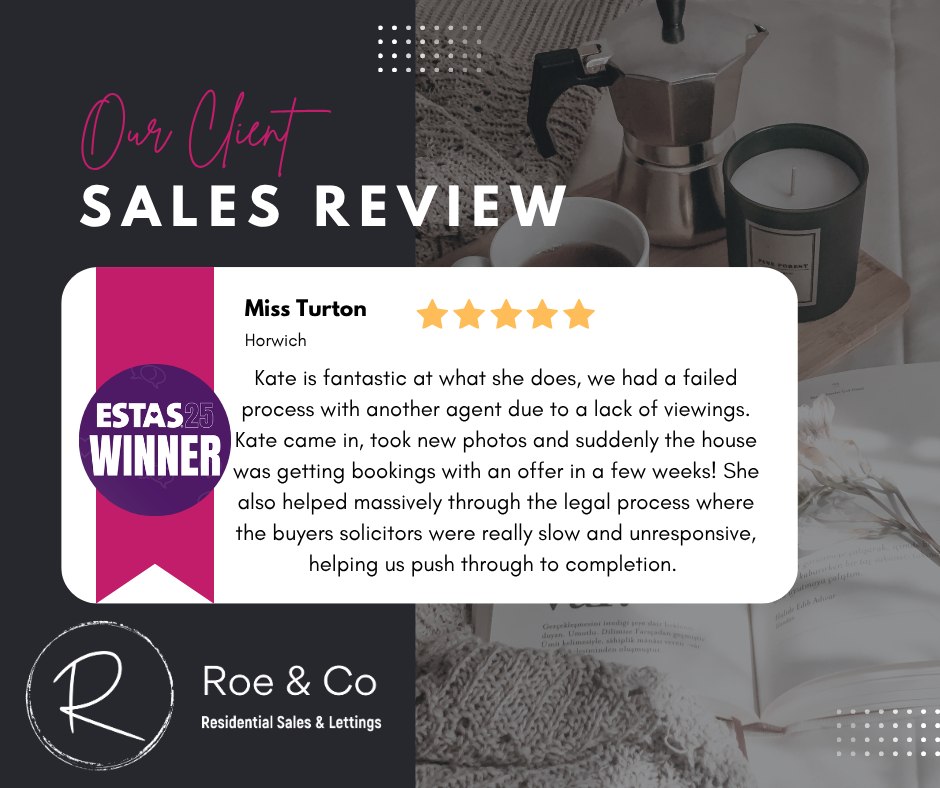
- Slow or inefficient solicitors – This is a big one. Large national conveyancing firms often operate like call centres. You’re passed between different people, it’s hard to get hold of anyone and cases aren’t progressed proactively.
- Complex leasehold properties – Leasehold properties require additional information from the freeholder or management company, which can take weeks to obtain. Missing documentation, unclear service charge breakdowns or onerous lease clauses can all create delays.
- Mortgage delays – Changes in the buyer’s circumstances, issues with their property valuation or lender backlogs can slow things down.
- Local authority search backlogs – Some councils just take far longer than others to return searches
- Unresponsive parties – If you (or anyone else in the chain) are slow to respond to solicitor queries, sign documents or provide requested information, it holds everything up.

The benefits of a local solicitor?
When it comes to conveyancing, we strongly recommend using a local solicitor rather than a large national firm. Here’s why:
- Personal service – You’ll deal with the same solicitor throughout, not a different person every time you call. They’ll know your case inside out.
- Accessibility – Need to discuss something? You can actually get hold of them. You might even be able to pop into their office if needed. Try doing that with a call centre in another city.
- Local knowledge – Local solicitors understand Bolton and Greater Manchester property quirks. They’re familiar with common issues in the area, know which local searches to expect delays on and have relationships with local authorities that can sometimes help move things along.
- Better communication – Local solicitors work with local estate agents regularly. At Roe & Co, we have excellent working relationships with several trusted Bolton solicitors. This means better communication, quicker responses to queries and a smoother overall process.
- Investment in local deals – Local firms have a reputation to maintain in their community. They’re often more motivated to provide excellent service because they rely on local referrals and repeat business.
If you don’t have a chosen solicitor when you instruct us to sell your property, just ask. We can recommend local Bolton solicitors we have good relationships with and trust to handle your sale with the professionalism and efficiency you’d expect.
How Roe & Co keeps things moving for you
At Roe & Co, our job doesn’t end when the offer is accepted. That’s actually when some of our most important work begins.
We actively support the conveyancing process by:
- Staying in regular contact with all solicitors involved in the chain
- Chasing progress and identifying potential hold-ups before they become serious delays
- Providing regular updates to all parties so everyone knows where things stand
- Problem-solving when issues arise – whether that’s coordinating diary dates or helping resolve disputes
Our continuity of service – where the same agent who valued your property stays with you right through to completion – means nothing falls through the cracks. We know your sale inside out, and we’re personally invested in getting you successfully moved.
If you’re thinking of buying or selling in Bolton, Horwich, Westhoughton or the surrounding areas, we’re here to guide you through every step of the journey.
Ready to get started?
📞 01204 582 123
🏠 Book a free valuation
💙 Browse properties for sale